
Insulated Concrete Forms (ICF) for Stronger, More Efficient Buildings
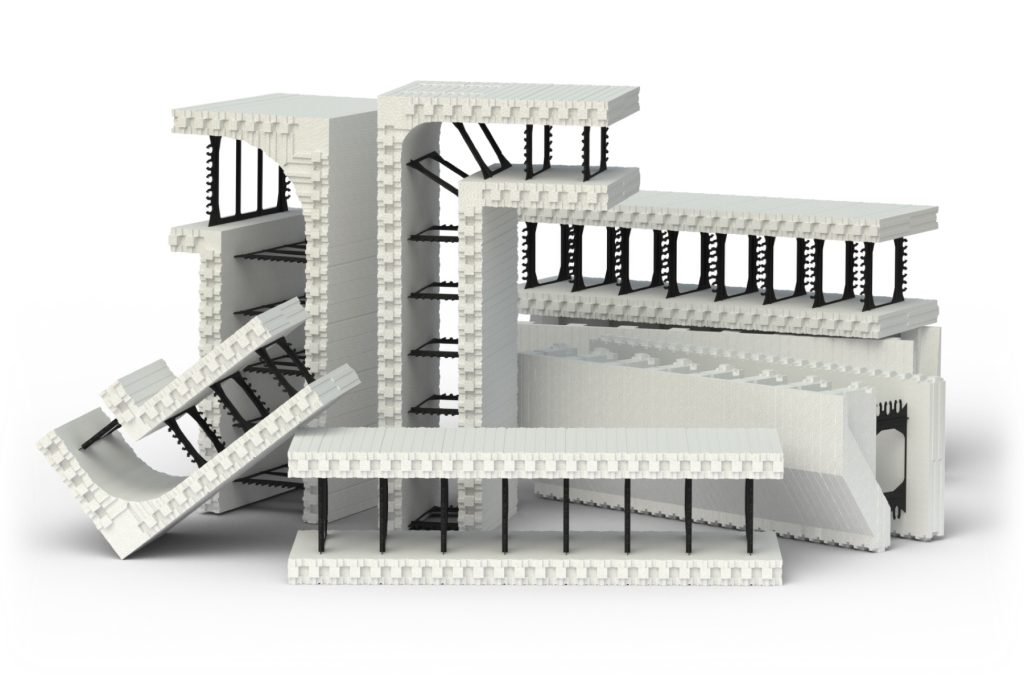
Designed for Strength, Efficiency, and Modern Building Standards
Need Lightweight, Strong, and Reliable Geofoam?
Let’s discuss how Geofoam America can help lower costs, speed up construction, and meet your project’s requirements.
Call Us Toll Free:
(800) 379-5060
Industries Served
Geofoam is used across a wide range of construction applications:
Looking for a high-performance wall system that meets today’s energy codes?
ICF systems provide a cost-effective solution for building strong, energy-efficient structures. With continuous EPS insulation and reinforced concrete cores, ICF walls deliver superior thermal performance, sound attenuation, and fire resistance. Whether used for residential, commercial, or institutional construction, ICF systems help reduce energy costs, improve durability, and meet or exceed modern building standards.
What are Insulated Concrete Forms (ICF)?
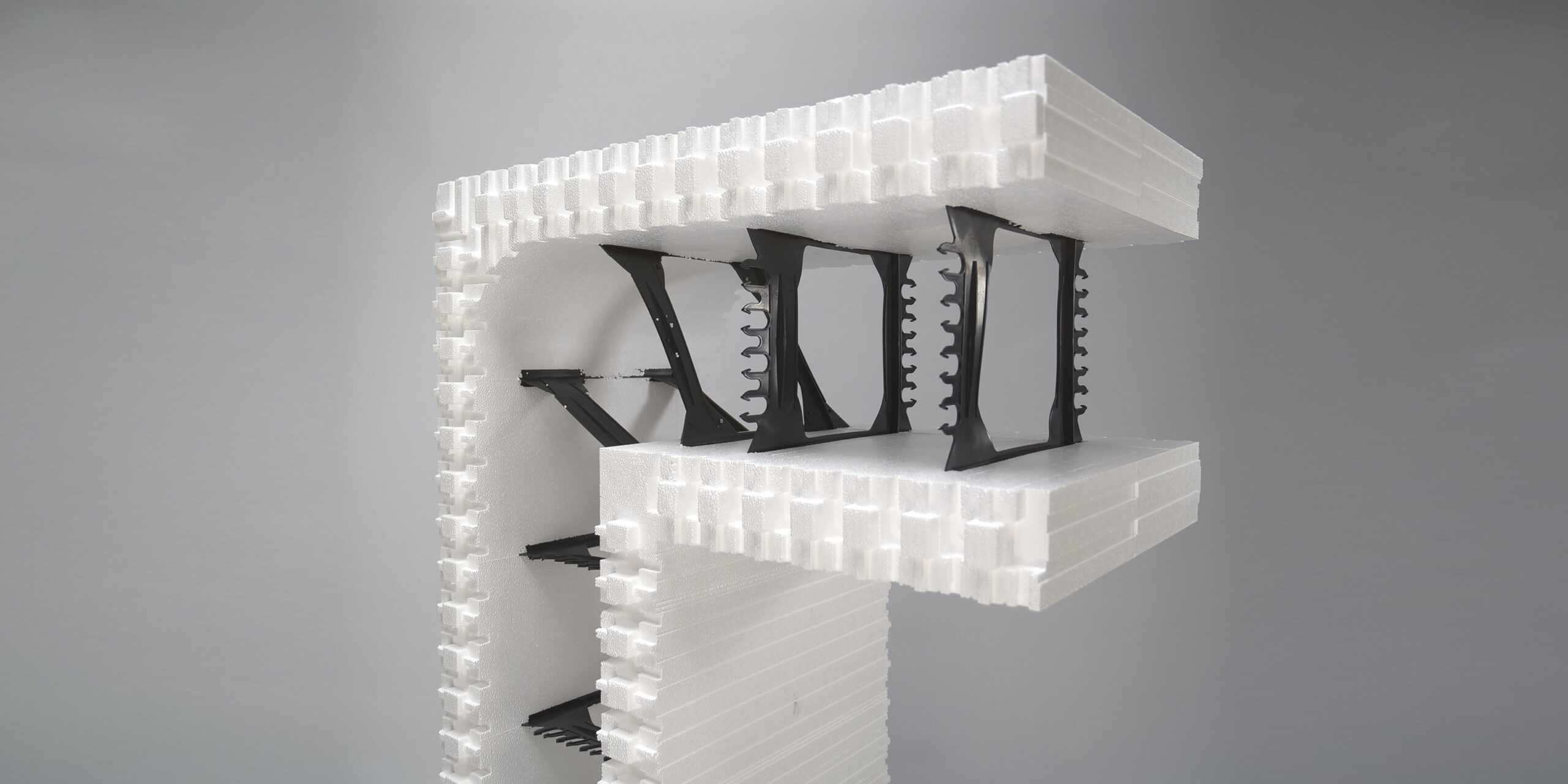
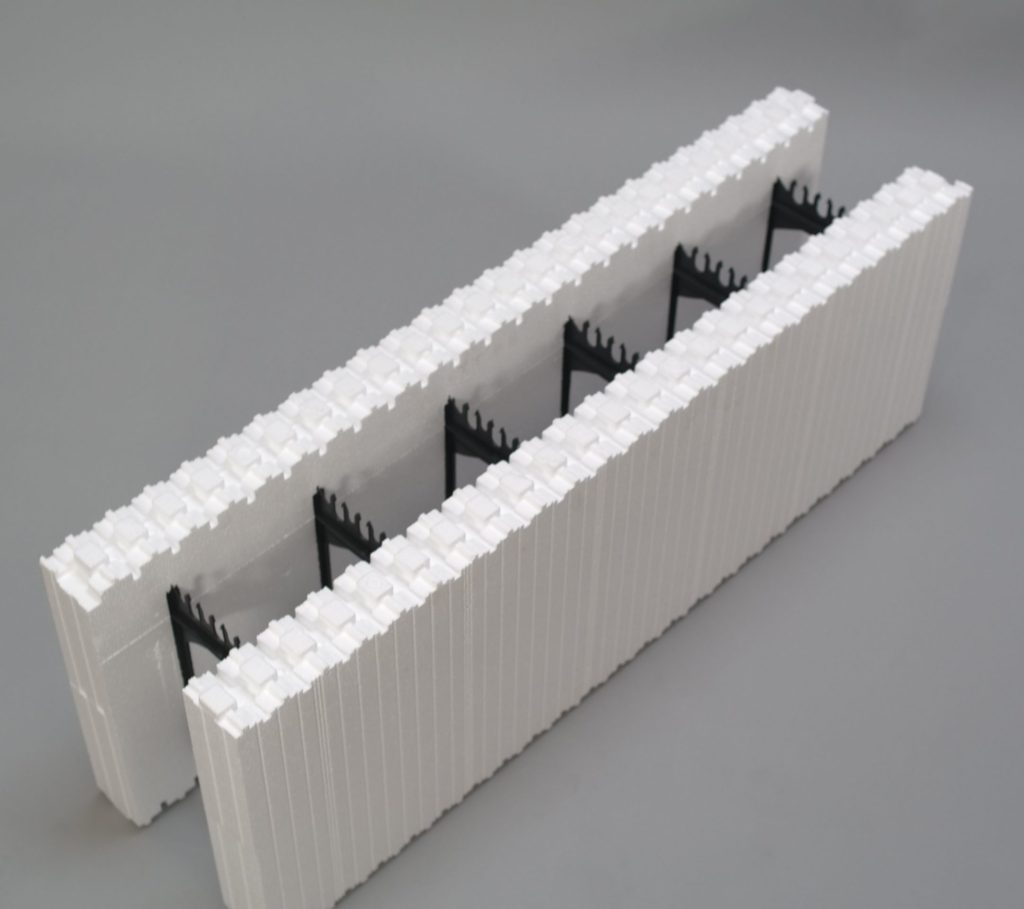
Insulated Concrete Forms (ICF) are interlocking forms made of expanded polystyrene (EPS) that are stacked to create walls and then filled with reinforced concrete. This system combines structure and insulation into one integrated wall assembly, improving strength, efficiency, and installation speed.
How do ICF systems improve energy efficiency?
ICF walls provide continuous insulation on both sides of a concrete core, reducing thermal bridging and air leakage. This results in more stable indoor temperatures, lower heating and cooling costs, and improved overall energy performance compared to traditional construction methods.
Are ICF walls stronger than traditional construction?
Yes. ICF walls are significantly stronger than traditional wood framing due to their reinforced concrete core. They offer excellent resistance to high winds, impact, fire, and seismic activity, making them a durable and long-lasting building solution.
Do ICF systems meet building codes?
ICF systems are widely accepted and meet or exceed modern building codes across the United States. They are approved for use in residential, commercial, and institutional construction, including areas with strict energy and structural requirements.
Can ICF be used for both residential and commercial projects?
Absolutely. ICF systems are used in a wide range of applications, including single-family homes, multi-family housing, commercial buildings, schools, and institutional projects. Their versatility makes them suitable for both small-scale and large-scale construction.
What accessories are required for installation?
A complete ICF installation may include accessories such as bracing systems, fasteners, waterproofing materials, reinforcement components, and connectors like Simpson Strong-Tie systems. These components help ensure proper alignment, structural integrity, and long-term performance.
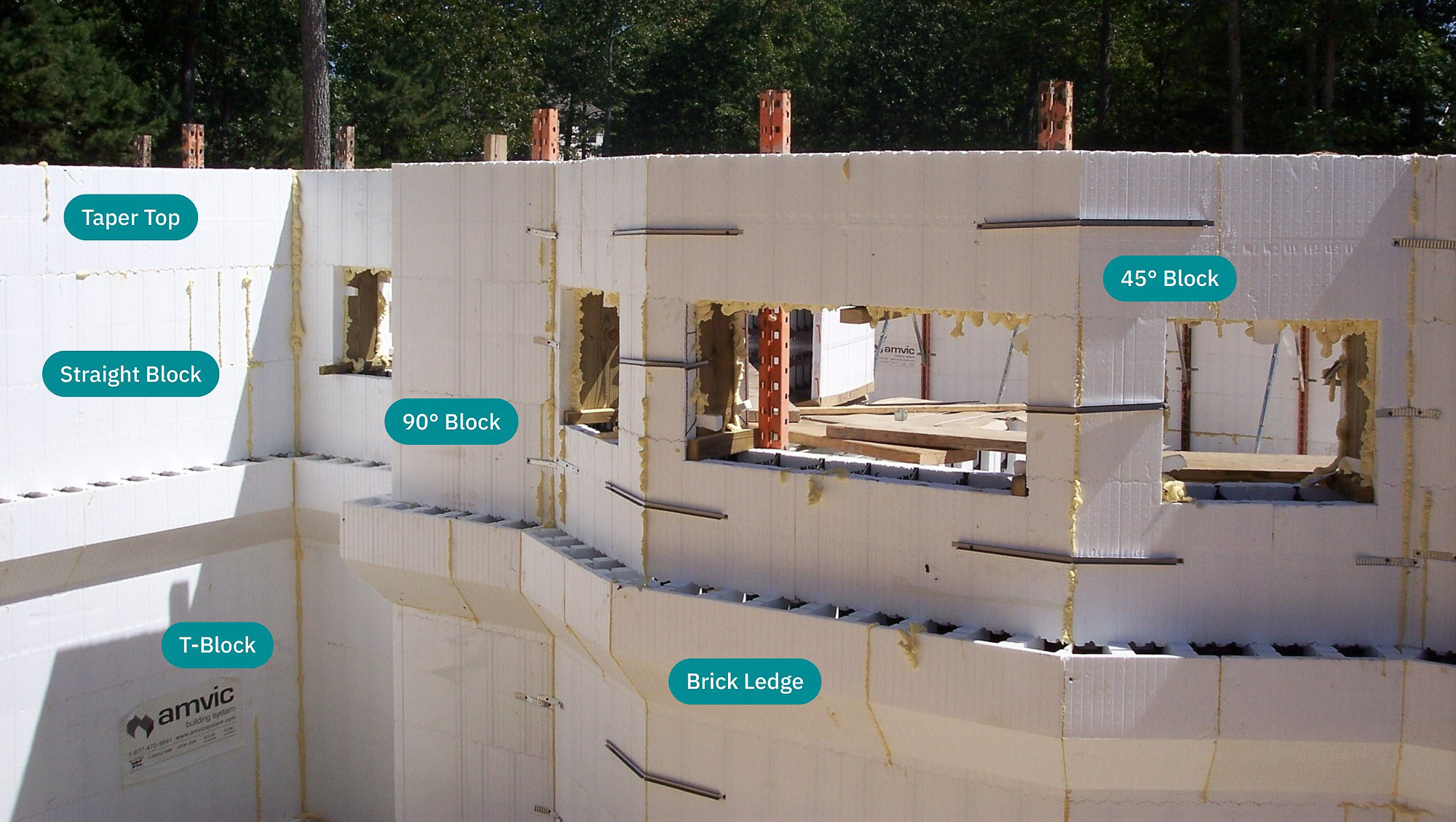
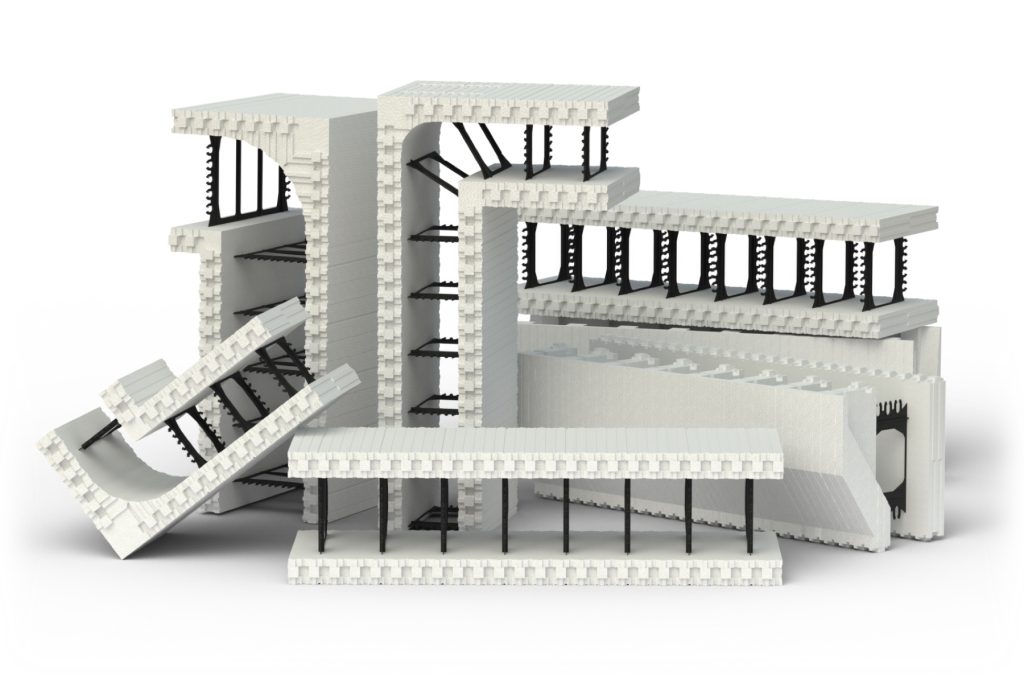
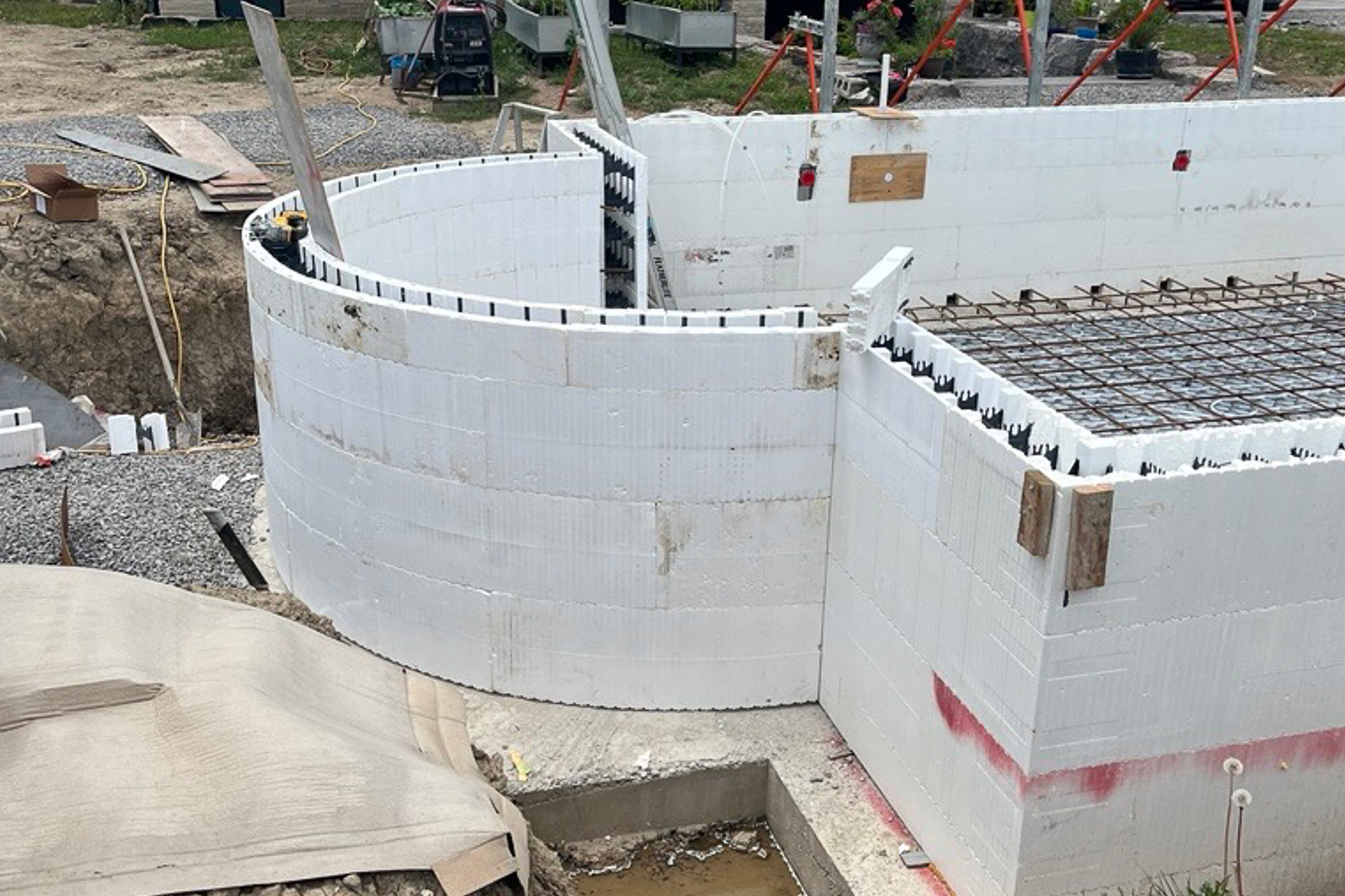
Benefits of ICF Construction
• Superior Thermal Performance – Continuous EPS insulation on both sides of the wall reduces thermal bridging and improves long-term energy efficiency.
• Cost-Effective – Combines structure and insulation in one system, reducing labor, materials, and overall construction time.
• Moisture Resistant – Helps protect against water intrusion, mold, and mildew in below-grade and above-grade applications.
• Environmentally Friendly – EPS materials are recyclable and contribute to reduced energy consumption over the life of the building.
• Durable & Long-Lasting – Reinforced concrete core provides exceptional strength and resists damage from weather, impact, and wear.
• Code Compliant – Meets or exceeds ASTM and UL standards and is approved for residential and commercial construction nationwide.